If you have noticed flaking, peeling, or rough spots on a concrete driveway, patio, or sidewalk after winter, salt damage may be the reason. Many homeowners are surprised to learn that concrete salt damage is usually not treated as a material or workmanship defect. In most cases, it is viewed as damage caused by deicing products, weather exposure, and maintenance choices rather than a problem with the original installation. Strayer’s warranty information takes a similar position, noting that harsh weather conditions, including extreme cold and salt use, can cause flaking or popping that does not compromise the slab’s overall integrity and is not guaranteed.
For homeowners, that distinction matters. If salt is used too early or too aggressively, the surface of the concrete can begin to break down. Once that happens, the top layer may scale, the finish may peel away, and the slab can start looking worn long before you expected it to. Industry guidance from concrete associations also warns that deicing chemicals can worsen freeze-thaw stress at the concrete surface and that newly placed concrete is especially vulnerable during its first winter.
What is salt damage to concrete?
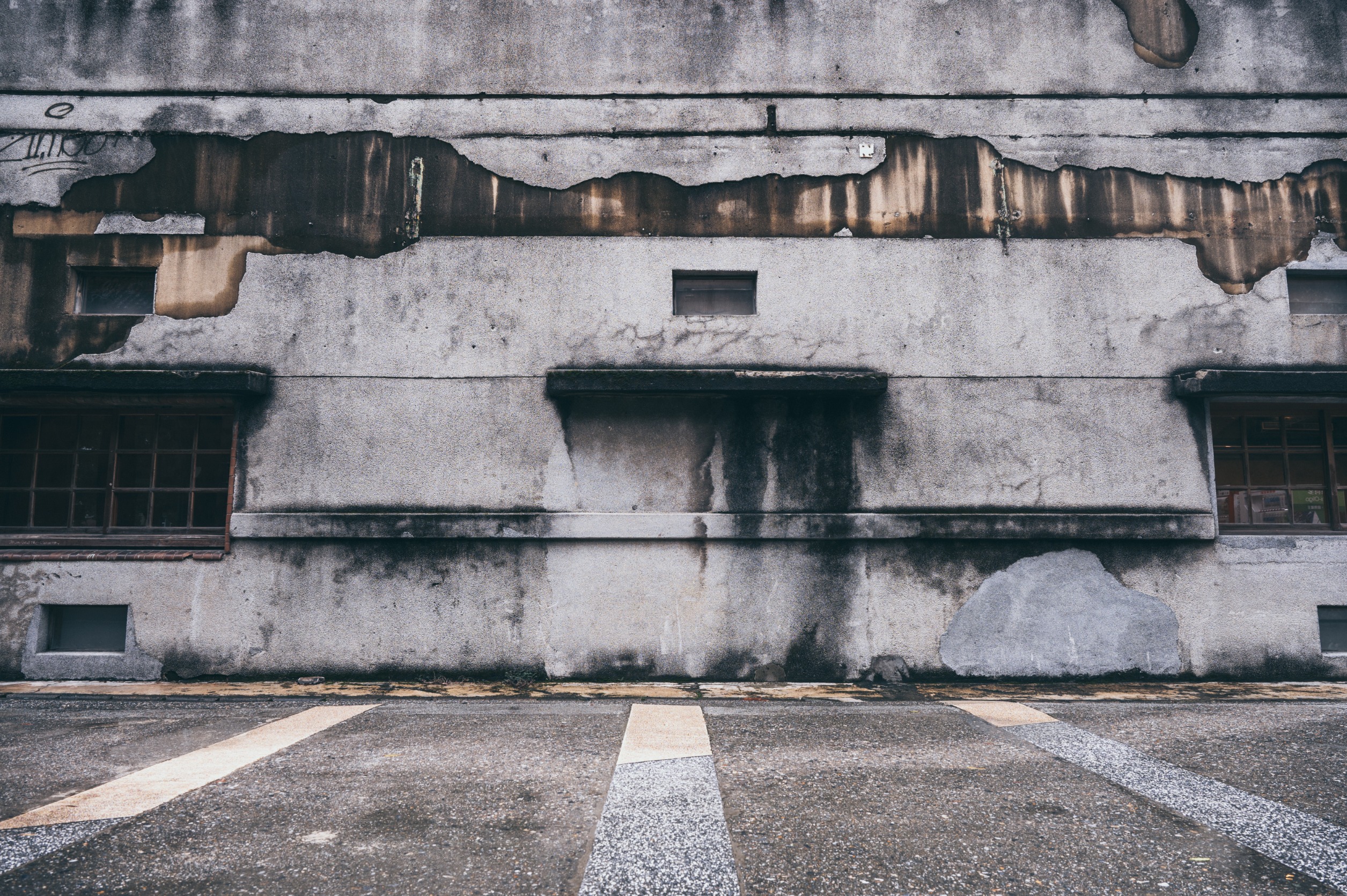
Salt damage to concrete usually shows up as scaling, flaking, peeling, popping, or surface deterioration. Scaling is the loss of the top layer of hardened concrete after repeated freezing and thawing, especially when deicing chemicals are present.
This kind of damage often starts small. At first, you may see a few light patches or tiny chips. Over time, those spots can spread, exposing more aggregate and leaving the surface rough and uneven. In light cases, the issue may be mostly cosmetic. In more advanced cases, the surface can continue to deteriorate and may eventually require resurfacing or replacement.
Why does salt damage happen?
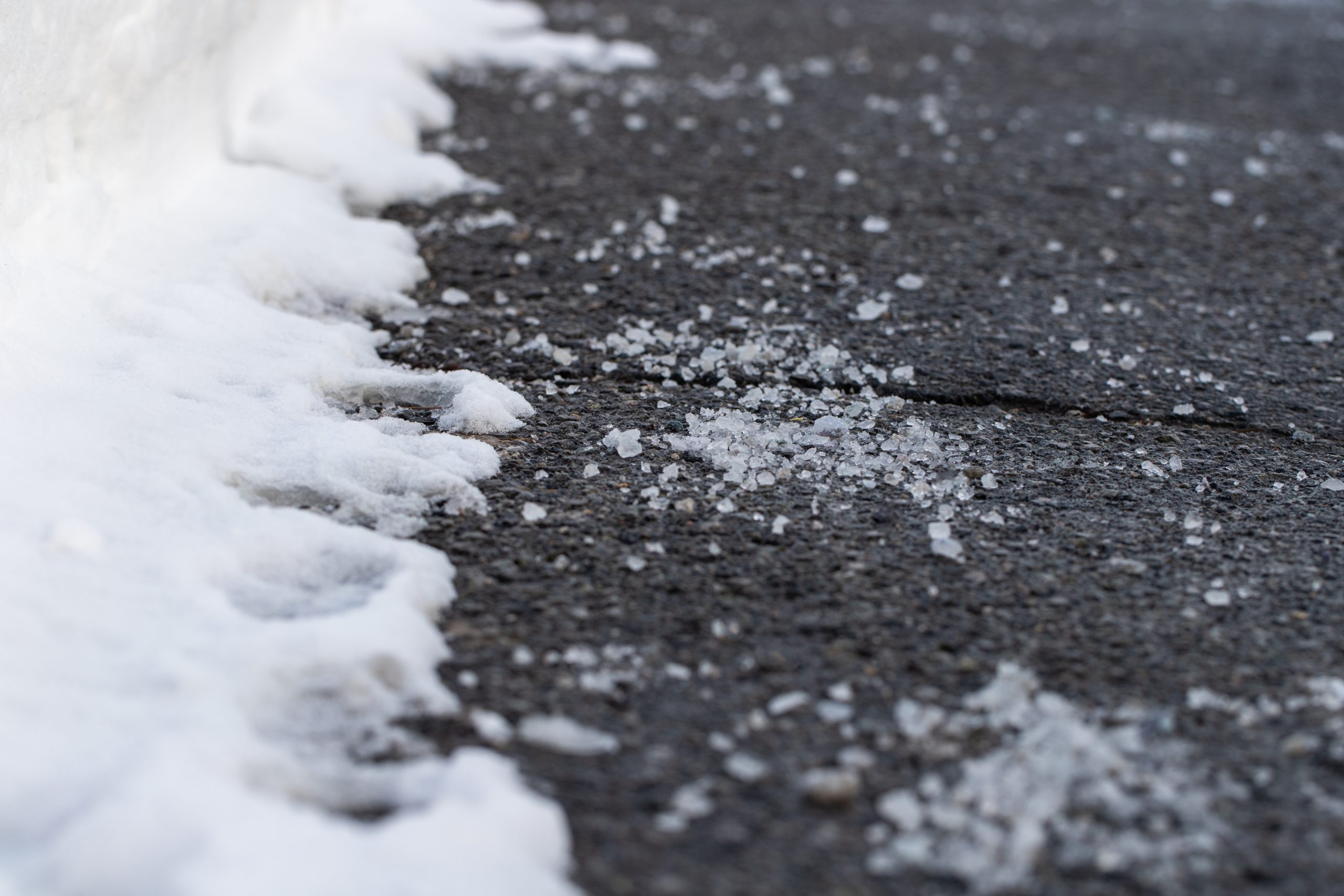
Concrete is porous, which means water can enter the surface. When temperatures drop below freezing, that water expands as it turns to ice. Repeated freeze-thaw cycles create stress inside the concrete. Deicing chemicals make the problem worse by increasing surface saturation and increasing the number of freeze-thaw events the slab experiences.
New concrete is even more vulnerable. Concrete industry guidance recommends avoiding deicers during the first winter after placement because the slab may still be too saturated at an early age to handle that exposure well. The microscopic air void system that helps concrete resist freeze-thaw stress may not yet be able to provide enough pressure relief when melting snow soaks into the slab and freezes again. That is one reason new driveways and sidewalks can show early surface peeling after salt use.
Is salt damage covered under a concrete warranty?
Usually, no. Salt damage is commonly treated as environmental or user-induced damage, not as a defect in the concrete itself.
That does not mean all surface problems are automatically the homeowner’s fault. Concrete performance depends on installation practices, curing, weather, drainage, maintenance, and exposure conditions. But from a contractor and warranty standpoint, deicing salt is usually considered an outside influence. That is why many residential concrete contracts specifically warn against deicer use, especially on new concrete.
Why first-year concrete needs special care
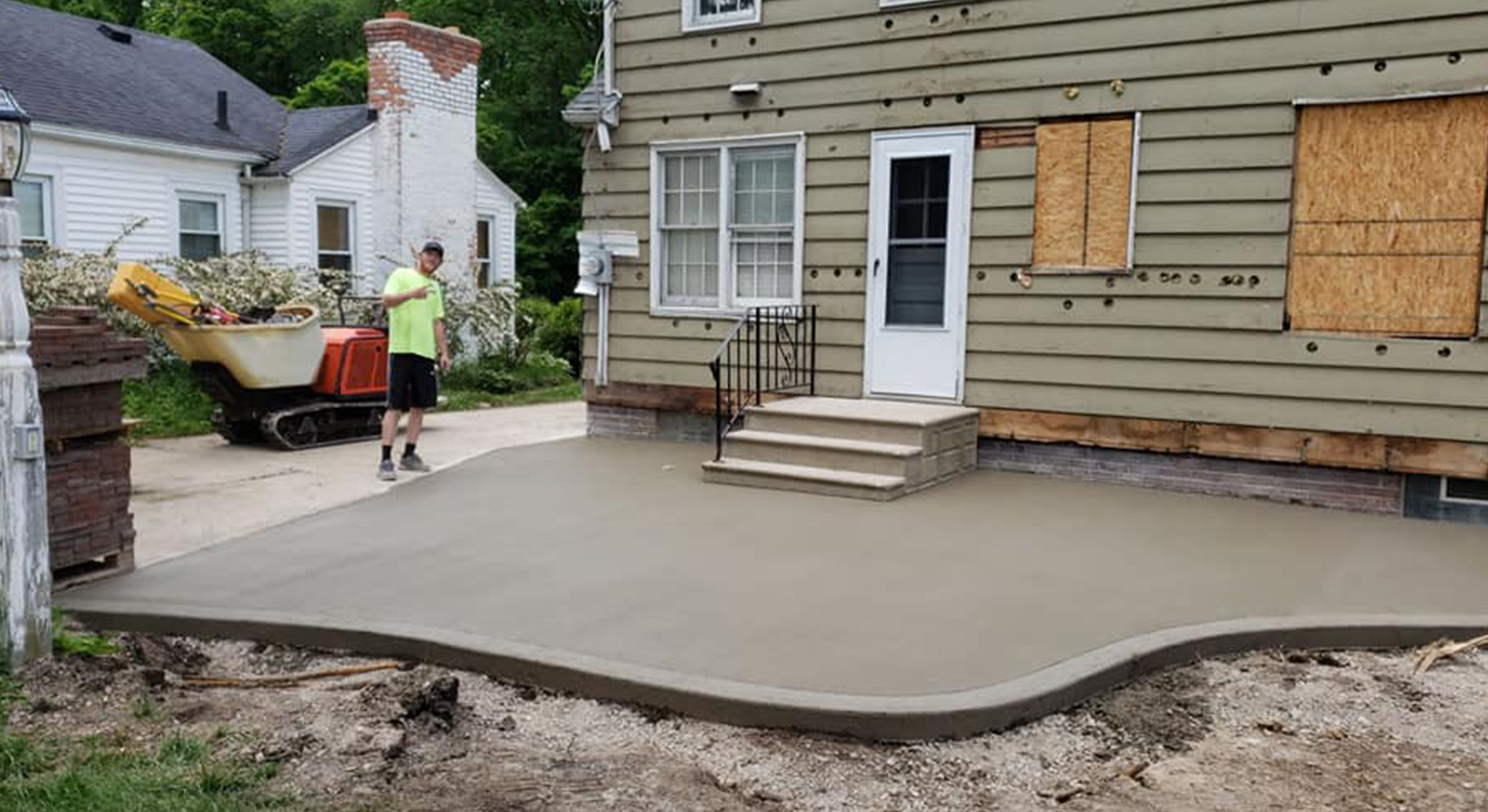
One of the biggest mistakes homeowners make is salting a brand-new driveway, walkway, or patio during its first winter. Multiple concrete-industry sources recommend no deicer of any type during that first year of service and advise using sand for traction instead.
That guidance surprises a lot of people because concrete may look hard and fully finished soon after installation. Structurally, concrete gains strength early, but that does not mean it is ready for aggressive deicer exposure. Surface durability, curing conditions, and moisture levels still matter. In real-world winter conditions, using salt too soon can trigger exactly the type of scaling and peeling homeowners hope to avoid.
How to prevent salt damage to concrete
The best prevention starts with avoiding deicing chemicals on new concrete during the first winter. Instead, remove snow promptly and use sand for traction. After the first year, some concrete guidance allows light to moderate use of sodium chloride rather than harsher deicers, but moderation still matters.
Sealing can also help. Strayer’s warranty page describes driveway sealant as preventative maintenance that helps take the brunt of elemental stress, and industry guidance recommends breathable penetrating sealers to reduce moisture and deicer penetration. A sealer is helpful, but it is not a guarantee against heavy salt exposure or poor drainage.
Good drainage is another major factor. Water that sits on the surface or repeatedly soaks the slab increases freeze-thaw risk. Strayer’s maintenance content emphasizes sealing, cleaning, and drainage as part of long-term concrete care, which lines up with broader industry recommendations for protecting slabs exposed to winter weather.
Can salt-damaged concrete be repaired?
Sometimes. The right solution depends on how severe the damage is. For light to moderate scaling, resurfacing products or thin bonded repair materials may be an option if the underlying concrete is sound. Industry guidance notes that repairs can restore appearance and function, but the final result may not perfectly match the original slab.
For widespread surface loss or continuing deterioration, replacement may be the better long-term answer. Strayer’s site also takes a practical position on concrete that does not meet expectations, noting that removal and replacement is often the recommended path rather than patching someone else’s failed slab.
What homeowners in Northwest Ohio should remember
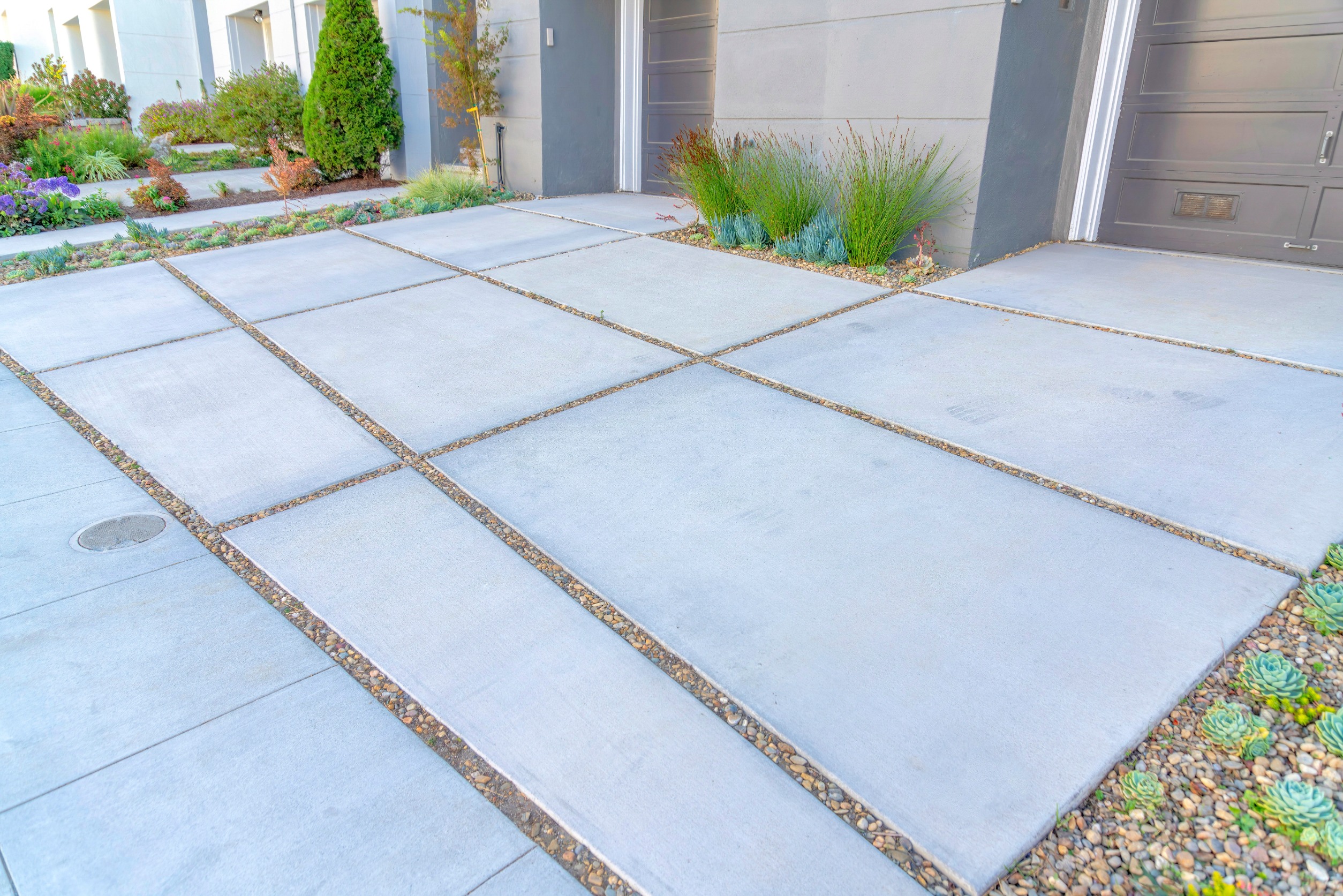
If you want your concrete to last, winter maintenance matters. Driveways, sidewalks, patios, and garage approaches all take a beating from moisture, freeze-thaw cycles, and deicing products. The safest approach is simple: keep snow cleared, avoid salt on new concrete, use sand for traction, and stay on top of sealing and maintenance. Those small steps can make a big difference in how your concrete looks and performs over time.
If your concrete is already showing flaking, popping, or scaling, it is worth having it evaluated before the damage spreads. Strayer Concrete specializes in residential driveways, sidewalks, patios, garages, and related flatwork in Waterville, Maumee, Perrysburg, Holland, and Sylvania.
Is salt damage to concrete covered under warranty?
Usually it is not. Salt damage is generally treated as environmental or user-caused damage rather than a defect in workmanship or materials.
Can you put salt on new concrete?
It is best not to. Concrete industry guidance recommends avoiding deicers during the first winter after placement and using sand for traction instead.
What does salt damage look like on concrete?
Common signs include flaking, peeling, popping, pitting, scaling, and a rough or worn-looking surface. In more advanced cases, aggregate may become exposed.
Can salt-damaged concrete be repaired?
Sometimes. Light to moderate surface damage may be repaired with resurfacing or bonded repair materials if the base concrete is still sound. Severe or widespread damage may require replacement.
What should I use instead of salt on new concrete?
Sand is the most commonly recommended alternative for traction during the first winter.
Does sealing concrete stop salt damage?
Sealing helps reduce moisture and deicer penetration, but it does not make concrete immune to salt damage. It works best as part of a broader maintenance plan that includes proper drainage and careful winter care.